When most people think of a holiday in Spain, iconic images of Barcelona’s bustling streets, Madrid’s grand museums, or the packed beaches of the Costa del Sol immediately come to mind. While these world-famous destinations are popular for a reason, Spain is also home to an incredible array of secret places that remain beautifully untouched by mass tourism. For travelers looking to discover the authentic heart of the country, exploring these lesser-known treasures is an absolute must.
As the ultimate guide for Spain Gems, we have uncovered the absolute best medieval villages, dramatic natural wonders, and quiet coastal escapes across the country. If you want to skip the massive tourist lines and experience the true magic of old-world Europe, here are 10 incredible hidden gems in Spain you must add to your travel itinerary.
The Best Hidden Gems to Discover in Spain
1. Albarracín (Aragon)
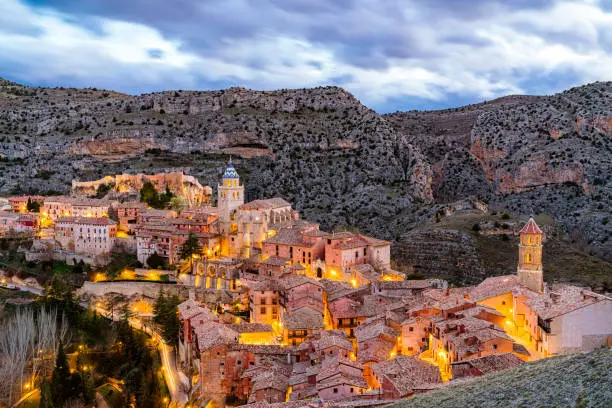
Perched high on a rocky cliffside in the isolated hills of Aragon, Albarracín is frequently voted by locals as the most beautiful village in Spain. Walking through this medieval settlement feels like stepping directly back into the Middle Ages. The village features winding cobblestone lanes, timber-framed houses painted in unique pinkish-red tones, and ancient Moorish stone walls that climb dramatically up the surrounding rocky hillsides.
2. Cudillero (Asturias)
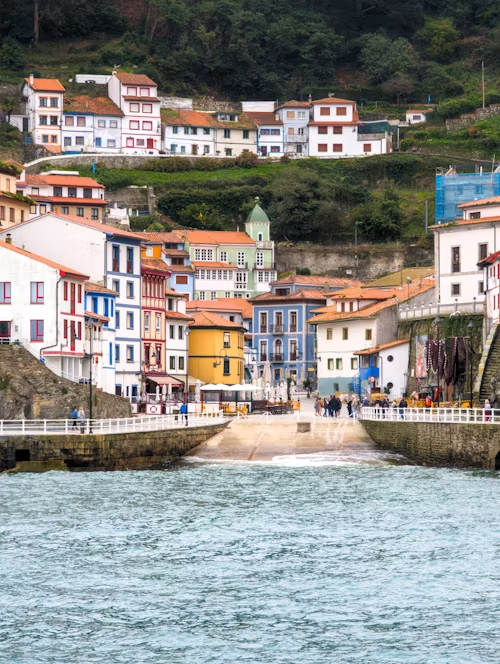
Tucked away on the rugged northern Atlantic coast, Cudillero is a breathtakingly picturesque fishing village in the Asturias region. According to local legend, it was founded by Vikings centuries ago. The village is famous for its colorful houses stacked tightly like a giant amphitheater around a small, brilliant blue horseshoe-shaped bay. Walk down to the central plaza to enjoy fresh catch-of-the-day seafood alongside local fishermen.
3. Setenil de las Bodegas (Andalusia)
While Andalusia is famous for its white villages, Setenil de las Bodegas is completely unique. Instead of being built on top of the cliffs, this incredible town was constructed directly inside the cliffs! The local white houses are built under massive, overhanging volcanic rock formations that serve as natural roofs for entire streets. Walking down these shaded paths with tons of ancient stone hanging directly over your head is an unforgettable experience.
4. Las Médulas (Castile and León)
Located in northwestern Spain, Las Médulas looks like a dramatic desert landscape out of the American West rather than Western Europe. This surreal landscape of towering, bright red-orange dirt cliffs and lush green chestnut forests was actually created by human hands. During the 1st century AD, the ancient Roman Empire used massive water pressure to hollow out these mountains to create their largest open-air gold mine.
5. Frigiliana (Andalusia)
Located just a few kilometers inland from the Mediterranean coast, Frigiliana is a stunning, postcard-perfect example of a traditional Andalusian white village. Winner of numerous national beauty awards, its pristine historic center is a maze of spotless, whitewashed homes, bright blue doors, and thousands of blooming flowerpots. The town’s quiet layout offers a peaceful panoramic perspective over the distant sea below.
6. Ronda (Andalusia)
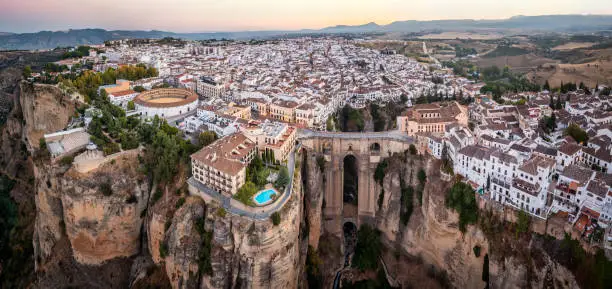
Though growing in popularity, Ronda remains an architectural marvel that takes every traveler’s breath away. The ancient city is split completely in two by El Tajo canyon, a massive 120-meter-deep stone gorge. Connecting the two historic halves is the **Puente Nuevo** (New Bridge), a towering 18th-century stone bridge structure built directly into the cliff faces. The viewpoints from the canyon floor looking up at the bridge are spectacular.
7. Besalú (Catalonia)
For travelers exploring the northern region near Girona, the town of Besalú is a medieval masterpiece. The entrance to the town is a striking, fortified 12th-century stone bridge that features a massive defensive watchtower right in the middle. Walk across the bridge to explore narrow stone streets, historic Jewish bathhouses, and quiet squares lined with local artisan shops.
8. The Ribera Sacra (Galicia)
The Ribera Sacra (Sacred Shore) is a hidden river valley paradise in inland Galicia. Here, the Sil and Miño rivers cut deep canyons through spectacular green mountains. The steep canyon walls are covered in ancient terraced vineyards cultivated by monks since Roman times. The best way to experience this tranquil green hidden gem is by booking a slow riverboat cruise or hiking to the dramatic lookout points like the Balcones de Madrid.
9. Úbeda and Baeza (Jaén)
These twin Renaissance towns, located in the massive olive tree oceans of Jaén, are a designated UNESCO World Heritage site that most foreign tourists miss. Both towns are packed with some of the finest examples of 16th-century Italian-style palaces, grand stone churches, and quiet plazas in Spain. Because they are away from the main tourist hubs, they offer a wonderfully authentic glimpse into everyday Spanish life.
10. The Cabo de Gata-Níjar Natural Park (Almería)
If you want to experience Spain’s beaches away from the crowded high-rise resorts, this protected natural park is the ultimate escape. As Andalusia’s largest coastal protected area, it features a wild, desert-like landscape of black volcanic rock cliffs, hidden sandy coves, and completely untouched wild beaches like Playa de los Genoveses and Playa de Mónsul.
Where to Stay and Plan Your Hidden Gems Tour
Because these hidden gems are scattered across different beautiful regions of Spain, planning your stays ahead of time ensures a smooth and memorable road trip. To discover charming rural boutique hotels, traditional cave houses, or historic mountain lodges, you can find the best room rates and real-time availability on Booking.com.
To dive even deeper into the secret history, wine cultures, and hidden routes of these magical regions with expert local guides, check out the top day excursions and private walking experiences available on Viator.