
Planning a trip to the sun-drenched beaches of Mallorca, the historic streets of Toledo, or the vibrant avenues of Madrid? Before you pack your bags, it is crucial to understand the latest Spain entry requirements. Europe’s border rules have seen significant updates recently, including new passport validity checks and upcoming digital authorization systems like ETIAS.
To ensure a seamless journey through customs, here is the ultimate, up-to-date guide to passport rules, visa updates, and tourist entry requirements for Spain.
1. Passport Validity and the “10-Year Rule”
For non-EU travelers (including citizens from the US, UK, Canada, Australia, and competitive visa-free countries), Spain strictly enforces the Schengen Area passport regulations. Your passport must meet two critical conditions at the border:
- The 3-Month Rule: Your passport must be valid for at least 3 months beyond your planned departure date from the Schengen Zone.
- The 10-Year Rule: Your passport must have been issued within the last 10 years. Even if your passport has remaining validity left, if the issue date is older than 10 years, airline staff will deny you boarding.
💡 Pro-Tip: Always check your passport’s exact “Date of Issue” and “Date of Expiry” before booking your flights.
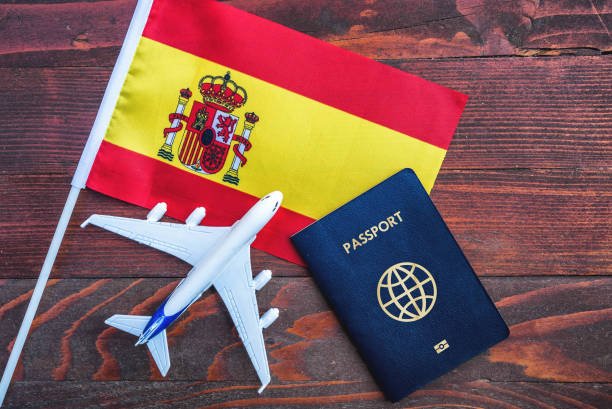
2. The ETIAS Authorization (What You Need to Know)
If you hold a passport from a country that does not require a visa to enter Spain (like the UK or USA), you will soon need an ETIAS (European Travel Information and Authorisation System) approval before flying.
- What is it? ETIAS is not a visa; it is a quick pre-travel security screening system linked directly to your passport.
- How to apply? The application process is done entirely online or via a mobile app. It takes only a few minutes to fill out basic security and biometric questions.
- Cost & Validity: The fee is €7 (free for travelers under 18 or over 70). Once approved, an ETIAS is valid for 3 years or until your passport expires, allowing multiple short-term entries.
3. The New EU Entry/Exit System (EES)
Alongside ETIAS, Europe has introduced the Entry/Exit System (EES). This digital system replaces traditional passport ink-stamping at international border crossings.
When you land at Madrid-Barajas, Barcelona-El Prat, or any other Spanish airport, your fingerprints and facial images will be scanned at biometric kiosks. This system tracks exactly how long you stay in the Schengen Area, making it automated and reducing long terminal waiting lines.
4. The 90-Day Tourist Rule and “Proof of Funds”
As a tourist, you can travel within Spain and the wider Schengen Zone for up to 90 days within any 180-day period. Overstaying this limit can result in heavy financial fines, deportation, or future travel bans.
Additionally, border officials legally have the right to ask you for the following documents upon arrival:
- Proof of Accommodation: A confirmed hotel booking, rental agreement, or an official invitation letter (Carta de Invitación) if staying with friends.
- Return Ticket: Proof that you intend to leave the country before your 90 days expire.
- Economic Sufficiency: Proof that you have enough money to support yourself during your vacation (tracked via cash, bank statements, or credit cards).
🏨 Secure Your Travel Safety Essentials
To ensure you satisfy border controls and avoid any frustrating surprises at airport immigration check desks, locking in your official hotel vouchers and travel safety backup nets early is highly recommended:
- Official Accommodation Vouchers: To get instant, border-approved confirmation slips for your entry portfolio, you can Check Certified Hotel and Apartment Rates in Spain Online.
- Mandatory Medical Cover: To secure valid medical coverage that meets European border safety guidelines, you can check flexible policies directly on the Spain Approved Travel Insurance Portal.