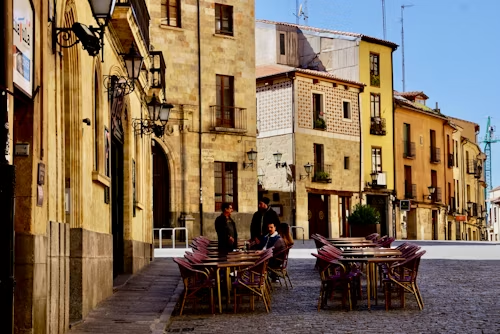
Planning a holiday to Southern Europe involves tracking flight terminals, mapping public transit grids, and budgeting for incredible culinary experiences like authentic Spanish tapas and fresh seafood paella. However, as you settle into a lively outdoor terrace plaza in Madrid or Barcelona, an immediate cultural question will arise when the bill finally arrives: How much should you tip in Spain?
Unlike tipping customs in North America, where gratuity is legally non-negotiable and heavily integrated into a service worker’s core salary, Spain operates on an entirely different cultural philosophy. Tipping is never mandatory, and service staff receive stable base salaries along with state healthcare benefits under national labor laws. However, leaving a small gratuity for exceptional hospitality is highly appreciated. Here is your ultimate, bulletproof guide to navigating the tipping culture in Spain across restaurants, taxis, and hotels without feeling awkward.
1. Tipping in Spanish Restaurants & Bars
Dining out in Spain is a relaxed, late-night social event where waiters rarely rush you to clear the table. Understanding the venue style dictates your gratuity choices:
Casual Tapas Bars & Cafés
If you are simply grabbing an early morning espresso coffee, a quick bocadillo (sandwich), or a couple of quick plates of patatas bravas at a traditional bar counter, tipping is not expected. Most locals simply leave the small copper change remaining from their cash payment (e.g., leaving 20 to 50 cents if the bill comes to €4.60). If you pay using a contactless card, leaving zero tip is completely standard.
Casual & Mid-Range Sit-Down Restaurants
For a standard lunch menu (menú del día) or a relaxed family dinner where a waiter guides you through your courses:
- The Standard Rule: Leaving a tip of 5% to 10% is considered the sweet spot for great, friendly service. For a dinner bill totaling €50, leaving a €3 to €5 cash note on the table shows wonderful etiquette.
- Service Charge Warning: Check your bill carefully for the phrase “IVA incluido” (which means the 10% national value-added tax is already shamil in the final price). If you see a small line item for “Pan” (bread) or “Servicio de terraza” (outdoor terrace seating surcharge), know that these are standard table setups, not an automated tip going to your waiter.
High-End Luxury Fine Dining
In premium Michelin-starred establishments or upscale steakhouses inside luxury residential zones like Salamanca or Sarrià, leaving a structured 10% gratuity is highly customary among international foodies if the service and culinary execution were absolutely flawless.
2. Tipping Taxi Drivers & Ride-Sharing Apps
Navigating urban blocks using public transport is spectacular, but when you rely on street transit or airport transfers:
- Traditional Street Taxis: Drivers do not expect a percentage-based tip. The universal local etiquette is simply rounding up to the nearest Euro. For instance, if your taxi meter reading displays €12.40, simply hand the driver a €13 coin arrangement or tell them, “Quédese con el cambio” (Keep the change).
- Uber, Cabify, & Bolt Apps: If you choose ride-sharing apps, the digital terminal will generate an automatic rating popup window after your journey concludes, allowing you to add a digital tip of €1, €2, or €5. This is completely optional and only recommended if the driver managed heavy luggage or navigated severe traffic delays efficiently.
3. Tipping in Spain Hotels
When checking into your holiday apartments or boutique boutique hubs, small cash tokens are standard for individual service staff:
- Hotel Porters / Bellhops: If a staff member physically carries your heavy travel bags up to your secure room terminal, it is polite to offer €1 per bag.
- Housekeeping / Maid Staff: To show gratitude to the staff cleaning your room space daily, leaving a €1 to €2 cash coin daily on the bedside table at the end of your stay is a wonderful gesture.
- Hotel Concierge: Tipping is zero percent expected unless they manually call round-the-clock local offices to secure highly competitive, sold-out flamenco show tickets or premium DGT appointments for you. In that case, a €5 to €10 note is a respectful thank-you token.

📊 Quick-Reference: Spain Tipping Etiquette Grid
To help you instantly handle your cash wallet choices at any holiday terminal, utilize this clean, scannable reference overview:
| Service Category | Standard Tipping Frequency | Expected Gratuity Amount | Preferred Payment Method |
|---|---|---|---|
| Cafés & Tapas Bars | Rarely / Only for round-up | Small loose change (20–50 cents) | Cash coins left on counter |
| Standard Restaurants | Optional / For good hospitality | 5% to 10% of total bill value | Cash notes left inside bill folder |
| Fine Dining Luxury | Highly Customary | Strict 10% of final bill | Cash or added to digital terminal card |
| City Street Taxis | Optional / Round-up custom | Round up to the nearest Euro coin | Cash rounding option |
| Hotel Porter Staff | Customary for heavy bags | €1 Per individual luggage item | Direct physical cash hand-over |
📝 Critical Advice: Card Payments vs. Cash Tips
While Spain has become an almost entirely cashless society where you can pay for a €2 coffee using a smartphone card, mainstream card machine terminals in traditional Spanish restaurants do not feature a “tip option” on the screen.
If you pay your bill using a credit or debit card, the system will charge you the exact exact menu amount. Therefore, the absolute best strategy for international travelers is to hamesha carry a few loose €1 and €2 coins or small €5 cash notes in your pocket to leave directly on the wooden table for your waiter after your card transaction clears safely.