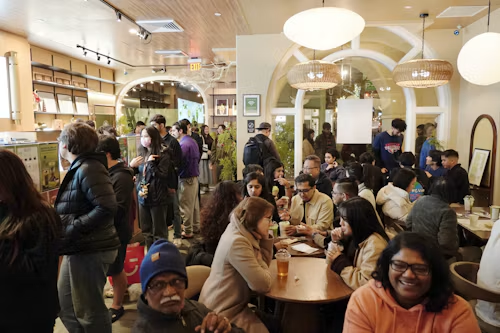
When international travelers land in Spain for the first time, one of the absolute biggest cultural shocks they experience has nothing to do with transport grids or language barriers—it is the local clock. If you walk up to a traditional Spanish restaurant door at 1:00 PM expecting a bustling lunch rush, or head out for a relaxed family dinner at 7:00 PM, you will frequently find the automated shutters completely closed and the kitchen staff nowhere to be found.
In Spain, the daily culinary timeline shifts significantly later compared to the rest of Europe and North America. Locals routinely enjoy massive lunch spreads at 2:30 PM and do not sit down for late-night dinners until 9:30 PM or even 10:00 PM. While tourist guides often dismiss this unique schedule as a simple lazy holiday habit, the real reason behind Spain’s late dining hours is deeply tied to historical political moves, geographic timezone anomalies, and the intense Mediterranean sun. Here is the ultimate, bulletproof breakdown of Spanish dining hours and how to survive the local schedule like a local resident.
1. The Historical Timezone Anomaly: Spain is in the Wrong Time Zone
The absolute primary reason why the entire country of Spain operates on a delayed daily clock dates back to World War II.
Geographically, Spain sits directly along the same longitudinal line as the United Kingdom and Portugal, meaning it should legally operate on Greenwich Mean Time (GMT). However, in 1940, General Francisco Franco officially moved Spain’s national clock forward by one full hour to align the country with Nazi Germany’s central European timezone as a political gesture.
- The Long-Term Impact: Although the political era passed, the physical clocks were never turned back. Consequently, Spain has spent decades living in the completely wrong timezone. The sun rises later and sets much later across Madrid, Barcelona, and Seville. Because the natural daylight hours are shifted forward, local biological clocks naturally moved lunch and dinner times later into the day to match the actual position of the sun.
2. Surviving the Spanish Daily Dining Timeline Step-by-Step
To prevent walking up to locked restaurant terminals or starving on your holiday vacation, memorize the exact daily eating structure observed across the country:
El Desayuno (Breakfast) — 8:00 AM to 10:00 AM
A very light, rapid morning start. Most locals simply grab an espresso coffee or café con leche paired with pan con tomate (toast with rubbed tomatoes and olive oil) or a light pastry at a neighborhood corner café before heading to their office desks.
El Almuerzo / La Merienda Media Mañana (Mid-Morning Snack) — 11:00 AM
Because breakfast is minimal and lunch is hours away, workers routinely take a brief 15-minute coffee break around 11:00 AM to enjoy a slice of tortilla de patatas (Spanish potato omelet) to keep their energy balanced.
La Comida (The Main Lunch) — 2:00 PM to 4:00 PM
Make no mistake: Lunch is the single most important and largest meal of the day in Spain. This is when traditional restaurants feature their famous, budget-friendly menú del día (menu of the day). Businesses close down completely for a few hours, and families sit together for a multi-course hot meal including paella, meats, and desserts.
La Merienda (Late Afternoon Snack) — 5:30 PM to 7:30 PM
Because dinner happens incredibly late, this mid-afternoon snack window is essential, especially for children and international students. People head to local bakeries (pastelerías) to enjoy sweet churros dipped in hot chocolate or savory sandwiches.
La Cena (The Late Night Dinner) — 9:00 PM to 11:00 PM
Dinner in Spain is traditionally a much lighter, highly social meal compared to lunch. Families and groups of friends head out to packed plaza terraces to share small portions of tapas, seafood platters, or light salads under the cool night sky. Main restaurant kitchens rarely open their burners before 8:30 PM.
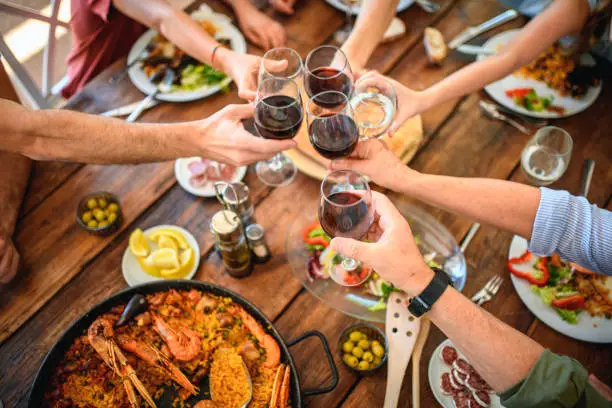
📊 Quick-Reference: The Spain Daily Dining Clock
To help you manage your daily holiday hunger timelines efficiently, utilize this clean, scannable reference overview grid:
| Meal Name | Standard Time Window | Meal Size & Importance | Typical Menu Content | Restaurant Kitchen Status |
|---|---|---|---|---|
| Desayuno | 8:00 AM – 10:00 AM | Ultra Light / Small | Coffee, pan con tomate, croissants | Open / Café service style |
| La Comida | 2:00 PM – 4:00 PM | Largest / Main Meal | Menú del día (Paella, meats, stews) | Peak busy hours / Booking advised |
| Merienda | 5:30 PM – 7:30 PM | Light Snack | Churros, sweet pastries, small sandwiches | Open / Bakery & café focus |
| La Cena | 9:00 PM – 11:00 PM | Light / Highly Social | Shared tapas plates, salads, croquettes | Kitchens open at 8:30 PM minimum |
🎒 Essential Survival Advice for International Tourists
- Bypass the Grid via Tapas Bars: If you absolutely cannot wait until 9:30 PM to eat dinner, avoid formal sit-down restaurants. Instead, head to local independent Tapas Bars. These bars usually keep their counter glass cases stocked with cold tapas, cheeses, and cured meats all day long, allowing you to catch a quick bite even during off-hours.
- Beware of Early “Tourist Traps”: If you spot a restaurant in central Barcelona or Madrid serving massive dinner plates at 6:00 PM under the sun, it is highly likely a low-quality tourist trap designed for foreigners. Real, authentic local kitchens will hamesha be closed at that hour.